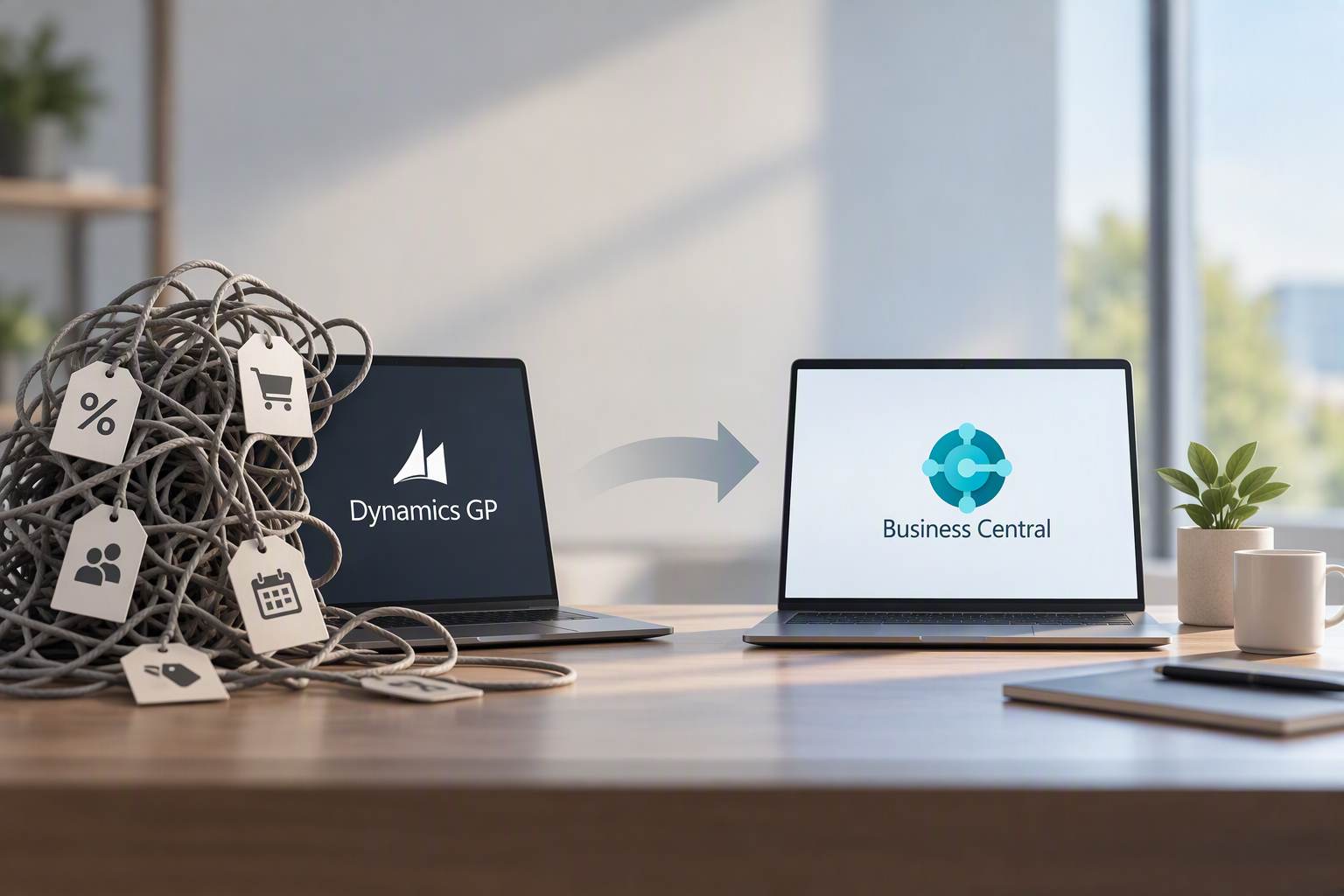
The global business landscape has become increasingly unpredictable. Geopolitical tensions, trade disputes, inflationary pressures, supply chain disruptions, and fluctuating energy costs continue to impact companies across virtually every industry.
For distributors, wholesalers, manufacturers and retailers, these challenges often translate into one immediate consequence: constantly changing prices. What used to be an annual or quarterly pricing exercise has evolved into a continuous operational challenge. Companies are now faced with frequent supplier price updates, changing transportation costs, and fluctuating raw material prices that directly affect profitability.
In this environment, the ability to update product and pricing data quickly is no longer a competitive advantage. It has become a business necessity.
The ripple effect of global uncertainty
Global challenges rarely affect a single aspect of business operations.
A conflict on one side of the world may increase energy prices. Rising energy prices affect transportation costs. Transportation costs influence supplier pricing. Supplier pricing impacts margins, customer agreements and ultimately business profitability.
As a result, organizations are receiving updated supplier catalogs and price lists more frequently than ever before. Companies that fail to react quickly risk:
- Selling products below target margins
- Working with outdated cost information
- Delaying purchasing decisions
- Creating pricing inconsistencies across the organization
- Losing competitiveness in the market
The challenge becomes even greater for businesses managing thousands of products across multiple suppliers.
Why traditional price updates are no longer sustainable
Many organizations still receive supplier price lists in Excel or CSV format. While these formats remain standard across industries, the way these files are processed often creates a bottleneck.
Manual imports, spreadsheet manipulation, and repetitive data entry consume valuable resources and increase the likelihood of errors. When prices change weekly or even daily, manual processes create significant risks:
- Incorrect purchase prices
- Delayed price updates
- Administrative overhead
- Reduced productivity
- Margin erosion
The reality is simple: modern businesses need faster and more reliable ways to process pricing changes.
Agility becomes a strategic advantage
The companies that outperform their competitors today are often not the largest organizations. They are the organizations that can adapt the fastest. Being able to process supplier price updates efficiently enables businesses to:
- Protect margins
- Improve purchasing decisions
- Maintain accurate product information
- Respond faster to market conditions
- Reduce operational workload
This agility allows teams to focus on strategic business decisions rather than spending hours maintaining spreadsheets. Price management in Business Central starts becoming even more important than ever.

Turning supplier price lists into actionable data
This is where Dynavision Advanced Item & Price Import for Microsoft Dynamics 365 Business Central provides significant value.
This solution enables organizations to import item catalogs, vendor price lists, and related product data directly from Excel and CSV files without needing to modify the original source files. By using configurable import templates, companies can establish a repeatable process for each supplier. Once a template is configured, future supplier updates can be processed using the same setup, eliminating repetitive manual work.
The solution also supports the creation and updating of purchase and sales price lists, helping organizations keep pricing information current as supplier prices evolve. For businesses dealing with complex pricing structures, the application can process Excel files containing multiple pricing levels and discount structures, converting them into separate pricing worksheet lines within Business Central.
Preparing for a future of continuous change
There is little indication that global markets will become less volatile in the near future. Supply chain challenges, economic uncertainty, geopolitical developments, and changing regulations will continue to influence the cost of goods and raw materials.
Organizations must therefore build processes that are designed for change rather than stability. Efficient price management is no longer just an operational concern. It directly impacts profitability, customer satisfaction, and long-term competitiveness. Businesses that can process pricing changes rapidly gain greater control over their operations and are better equipped to navigate uncertainty.
Conclusion of price management in Business Central
Global challenges continue to create volatility in raw material, transportation, and supplier costs. As a result, businesses are forced to update pricing information more frequently than ever before.
Manual processes simply cannot keep pace with today’s dynamic market conditions.
By streamlining the import and maintenance of item and pricing data, Dynavision Advanced Item & Price Import helps organizations react faster to supplier updates, reduce manual effort, and maintain accurate pricing information within Microsoft Dynamics 365 Business Central.
In a world where change is constant, the ability to manage pricing efficiently is becoming one of the most valuable operational capabilities a business can have.
Struggling to keep up with constantly changing supplier prices?
Discover how Dynavision Advanced Item & Price Import can help your organization process supplier catalogs and price updates faster, more accurately, and with significantly less manual work in Microsoft Dynamics 365 Business Central.